 Call Us : 08045815794

 Send Inquiry
 Request A Quote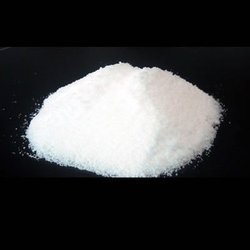
Sodium Sulphate
15000 INR/Ton
Product Details:
- Storage Dry Place
- HS Code 28331990
- Ph Level 7
- Structural Formula Na2SO4
- Melting Point 884 C
- Purity 98%
- Taste Bitter
- Click to View more
X
Sodium Sulphate Price And Quantity
- 15000 INR/Ton
- 1 Ton
Sodium Sulphate Product Specifications
- 7757-82-6
- Bitter
- 7
- Na2SO4
- 98%
- 884 C
- 28331990
- Dry Place
- Inorganic Chemicals
- Other
- 1,429 C
- Sodium Sulphate
- Its solubility in water rises more than tenfold between 0 C and 32.384 C, where it reaches a maximum of 49.7 g/100 mL.
- Organic Synthesis
- sodium salt of sulfuric acid
- Solid
- inorganic sodium salt
- Other
- Uses and Applications: Sodium sulfate is used in a variety of industrial processes. It is employed in the manufacture of detergents, glass, and textiles. It also serves as a drying agent (desiccant) in laboratories, and as a laxative in the medical field
Sodium Sulphate Trade Information
- Cash in Advance (CID)
- 100000 Ton Per Month
- 7 Days
- 50kgs HDPE BAG with Inner liner.
- Asia, Australia, Central America, North America, South America, Eastern Europe, Western Europe, Middle East, Africa
- All India
- mandatory ISI Certification Scheme under the IS 297:2001 standard.
Product Description
Buy from us highly pure sodium sulphate that is in high demand due to its high purity and reactivity. It has a chemical formula of Na2SO4 with molar of nearly equals to 142.04 grams per mol. This white colored free flowing powder is highly hygroscopic in nature that results in excellent moisture absorbing properties and excellent water solubility. The offeredsodium sulphate can be delivered to our customers at a reasonable price range.
Versatile Industrial Applications
Sodium sulphate is integral in various industries. It serves as a primary component in the production of detergents by helping to reduce cost and enhance product texture. In glassmaking, sodium sulphate removes small air bubbles from molten glass, achieving clarity. Additionally, it plays a role in textile processing, specifically in dyeing and printing fabrics, to standardize dye absorption.
Laboratory and Medical Usage
The chemicals excellent moisture-absorbing qualities make it an effective desiccant in laboratory environments, protecting sensitive chemicals from humidity. Medically, sodium sulphate is used as a laxative for short-term relief, relying on its osmotic properties. Its reliable, neutral pH ensures consistent performance in controlled applications.
Storage and Handling Guidelines
To preserve its efficacy, sodium sulphate should be kept in a dry place and sealed container. Its solid form allows for easy transport and handling. Maintaining a controlled environment prevents unwanted clumping or degradation, particularly in humid conditions. Suppliers in India provide it in bulk, fulfilling requirements for distributors, traders, and manufacturers.
FAQs of sodium sulphate:
Q: How is sodium sulphate typically used in the detergent industry?
A: Sodium sulphate acts as a filler in powdered detergents, helping to reduce manufacturing costs and improve the texture and flow of the finished product.Q: What is the recommended method for storing sodium sulphate?
A: Store sodium sulphate in a cool, dry place within a sealed container to prevent moisture absorption and maintain product integrity, especially in humid climates.Q: When is sodium sulphate employed in laboratory processes?
A: It is frequently used as a drying agent or desiccant in laboratories, where it helps remove water from organic solutions or protect moisture-sensitive materials.Q: Where is sodium sulphate sourced or supplied?
A: Sodium sulphate is distributed and supplied by chemical traders and suppliers across India, serving a range of industrial and laboratory clients.Q: What is the process by which sodium sulphate is used as a desiccant?
A: In its anhydrous form, sodium sulphate absorbs water molecules efficiently, making it ideal for drying organic solutions by binding with trace water content.Q: How does the solubility of sodium sulphate change with temperature?
A: The solubility of sodium sulphate increases significantly between 0C and 32.4C, reaching a maximum of 49.7 g per 100 mL of water at its highest solubility point.Q: What benefits does sodium sulphate offer in glass manufacturing?
A: Sodium sulphate promotes the removal of air bubbles in molten glass, leading to a more uniform and clear final product.Tell us about your requirement

Price:
Quantity
Select Unit
- 50
- 100
- 200
- 250
- 500
- 1000+
Additional detail
Mobile number
Email

Other Products in 'Industrial Chemical' category


"We are only accepting orders of above 10 tons"
GANESH ENTERPRISE
GST : 24FXGPS4035B1ZO
GST : 24FXGPS4035B1ZO

- 308, Krishna Beacon,Gandhinagar - 382470, Gujarat, India
- Phone : 08045815794

- Mr Kaushal Shukla (Proprietor)
- Mobile : 08045815794
- ganeshenterprise3103@gmail.com

 Send Inquiry
 Send SMS
GANESH ENTERPRISE
All Rights Reserved.(Terms of Use)
Developed and Managed by Infocom Network Private Limited.
Developed and Managed by Infocom Network Private Limited.

