 Call Us : 08045815794

 Send Inquiry
 Request A Quote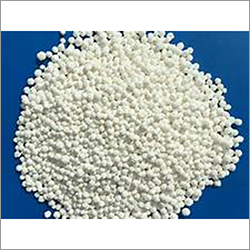
Calcium Chloride Prills
13.0 INR/Kilograms
Product Details:
- Structural Formula CaCl2
- Product Type ionic compound
- Ingredients calcium and chlorine.
- Ph Level 5.5 to 7.5
- Appearance solid white
- Molecular Formula CaCl2
- Melting Point 772 C
- Click to View more
X
Calcium Chloride Prills Price And Quantity
- 1 Ton
- 13.0 INR/Kilograms
Calcium Chloride Prills Product Specifications
- 772 C
- not less than 96.7% and not more than 103.3% of CaCl2
- 36 (thirty-six) months. Months
- 282720
- 7440-70-2
- hygroscopic, deliquescent, and dissolves in water exothermically
- de-icing or dust control on gravel roads, in food or as the absorbing agent in desiccants.
- Salty
- CaCl2
- ionic compound
- calcium and chlorine.
- 5.5 to 7.5
- solid white
- CaCl2
Calcium Chloride Prills Trade Information
- Cash in Advance (CID)
- 100000 Ton Per Month
- 7 Days
- 50kg, jumbo bag
- Asia, Australia, Central America, North America, South America, Eastern Europe, Western Europe, Middle East, Africa
- All India
Product Description
Being a customer-oriented company, we are occupied with providing Calcium Chloride. Prepared by using top quality ingredients, this weak acid used as an antiseptic pesticide, herbicide, insecticide and fungicide in many application areas. Our acid is widely known for its precise composition, soluble in water, adequate pH value (around 7), flame retardant and ability to withstand extreme temperature. Offered Calcium Chloride finds its application in ceramic, plastic, cement, cosmetic and glass manufacturing industries.
Key Applications
Calcium chloride is widely employed for de-icing roads in winter, controlling dust on gravel paths, enhancing food texture, and serving as an effective moisture absorber in desiccant products. Its ability to release heat upon dissolving in water contributes to its efficiency in various uses.
Physical and Chemical Properties
This compound appears as a solid white powder with a distinctly salty taste. Its structure is defined by the formula CaCl2 (CAS No: 7440-70-2), and it melts at 772C. Calcium chloride exhibits a pH range between 5.5 and 7.5 and distinguishes itself as both hygroscopic and deliquescent, which enables rapid moisture absorption.
Safe Storage and Handling
For optimal shelf life and performance, calcium chloride must be stored in tightly sealed containers in a cool, dry place. Its hygroscopic nature means it will readily absorb ambient moisture, potentially causing clumping or liquefaction if exposed. Proper handling and storage are essential for maintaining its effectiveness.
FAQs of Calcium Chloride:
Q: How is calcium chloride used in de-icing and dust control?
A: Calcium chloride is applied to icy roadways and gravel surfaces to reduce slipping hazards by lowering the freezing point of water, which effectively melts ice and controls dust. Its deliquescent properties help it absorb moisture from air and bind dust particles, improving road safety and visibility.Q: What are the benefits of using calcium chloride as a de-icing agent compared to other substances?
A: Calcium chloride works at lower temperatures than standard rock salt and generates heat as it dissolves in water. This exothermic reaction rapidly melts snow and ice, providing safer surfaces more efficiently while using smaller quantities than alternatives.Q: When should calcium chloride be applied for dust control or de-icing?
A: For de-icing, calcium chloride should be spread before or at the onset of snowfall or ice formation to prevent accumulation. For dust control, it is best applied on dry days to maximize its moisture-absorbing capacity and maintain dust-binding effectiveness over time.Q: Where is calcium chloride commonly distributed or supplied in India?
A: Calcium chloride is regularly distributed by authorized suppliers, distributors, and traders across India, serving industries such as construction, food processing, and municipal maintenance. It is widely available in bulk packaging for industrial and commercial use.Q: What is the process for storing calcium chloride correctly?
A: To maintain quality, calcium chloride should be kept in sealed, moisture-proof containers in a dry, cool area. Exposure to air or humidity should be minimized due to its hygroscopic and deliquescent nature, which can lead to clumping or liquefaction.Q: Can calcium chloride be used in the food industry, and what is its function?
A: Yes, calcium chloride is widely used in food processing, often as a firming agent, flavor enhancer, and stabilizer. Its salty taste and moisture-absorbing abilities contribute to food safety, quality, and texture in products like cheese and canned vegetables.Q: What factors impact the shelf life of calcium chloride, and how long can it be stored?
A: Calcium chloride has a shelf life of 36 months when stored in dry, airtight containers. Humidity, improper packaging, or exposure to open air can reduce its effectiveness and decrease its usable lifespan.Tell us about your requirement

Price:
Quantity
Select Unit
- 50
- 100
- 200
- 250
- 500
- 1000+
Additional detail
Mobile number
Email

Other Products in 'Chemical Supplies' category



"We are only accepting orders of above 10 tons"
GANESH ENTERPRISE
GST : 24FXGPS4035B1ZO
GST : 24FXGPS4035B1ZO

- 308, Krishna Beacon,Gandhinagar - 382470, Gujarat, India
- Phone : 08045815794

- Mr Kaushal Shukla (Proprietor)
- Mobile : 08045815794
- ganeshenterprise3103@gmail.com

 Send Inquiry
 Send SMS
 Call Me Free
GANESH ENTERPRISE
All Rights Reserved.(Terms of Use)
Developed and Managed by Infocom Network Private Limited.
Developed and Managed by Infocom Network Private Limited.

